
RIP Mary Tyler Moore - for the love of feminism, Rhoda and 1970’s boots
Jan 13, 2016
3 min read
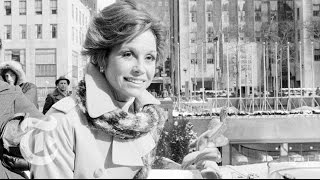
So, 2016 was the Year of Endings (we all knew that, didn't we?). It brought us our (un)fair share of untimely demises and, heaven knows, I thought we were all over that. But no. It seems that 2017 had another little treat up its sleeve, slaying another of the 20th century’s finest figures. Mary Tyler Moore was possibly the first woman who introduced me to the Sisterhood, the person who midwifed my first stirrings of feminist consciousness. Okay, so I was six at the time, sitting there, goggle-eyed at the box, sucking up Vimto through my swirly whirly straw (and I’d love to provide some photographic evidence), but she still made a massive impression on me. The Mary Tyler Moore Show ran from 1971 to 1977 and, along with its fabulous spin-off Rhoda (whose theme tune I still regularly break into now), was the first TV show to show unmarried ‘career women’ running around and having a (mostly) good time.
I loved it, but, as a pintsized telly addict, I couldn’t put my finger on why. Now, however, it all makes sense. In the early-mid 70s, female TV role models were pretty thin on the ground, although they did wear some pretty nifty clothes. Generally, women were portrayed as either brainless totty, (their bra size more important than their IQs), or as the long-suffering spouses of difficult men, and I’m thinking of Barbara from The Good Life here, who, with her unthinking devotion to the perennially childish and self-indulgent Tom, could give Theresa May a run for her money as Top Female Appeaser.
She wasn’t on her own, of course. You got the feeling that Sybil Fawlty was made of pretty stern stuff, so why had she stuck up with the deranged Basil for so long? In fact, with the possible exception of The Good Life’s Margot Ledbetter (because, let's face it, she definitely wore the flared floral trouser-suit in that relationship), television didn’t throw us ladies much to inspire.
The Mary Tyler Moore Show and Rhoda, however, carried a completely different message. To my six-year-old eyes, these shows were the first portrayals I saw of successful, unmarried, career women living on their terms - chunky knits and all. No surprise that the acolades have been pouring out - Mary Tyler Moore paved the way for later female TV writers, say several commentators. The shows were funny, for one, with the brassy one-liners and whipsmart New York humour that, generations later, went on to make shows such as Friends and Sex and the City such big hits. These weren’t scantily clad women being chased around by Donald Trump (sorry, Benny Hill); these women were independent and had agency, navigating jobs and schmoozing around New York, in their knee-high boots and 70’s capes.
Even now I can remember Rhoda Morganstern (played by Valerie Harper), wisecracking with her sister Brenda, mother Ida and the dopy Carlton the Doorman. These shows made being a woman look like fun, unlike the demented ‘Shake and Vac’ ad lady, who nearly orgasmed over her hoovering, or Sue Ellen from Dallas: basically, a drunk.


Comments